Mold is one of the most common and frustrating problems homeowners face in Oklahoma City. It grows quietly, spreads quickly, and often remains unseen until it causes real damage to the home and the health of the people living inside it. Because mold can hide deep inside walls, under flooring, in attics, or behind appliances, many homeowners do not realize they have a serious problem until it has already taken hold. That is why understanding the early signs of mold and knowing when to take action is incredibly important.
Mold thrives in moisture, and the climate in Oklahoma City creates the perfect conditions for mold growth throughout the year. Humidity, frequent storms, rapid temperature changes, and unexpected leaks all make homes vulnerable. Mold Removal and Remediation is not something to postpone because mold spreads faster than most people expect, and once it gains a foothold, it can lead to structural problems, unpleasant odors, and even health concerns for anyone living in the home.
This guide will walk you through the hidden warning signs of mold, why mold develops so easily in Oklahoma City homes, and how early detection can protect your property, your health, and your peace of mind. The sooner mold issues are addressed, the easier and safer the remediation process becomes.
Why Mold Forms So Easily in Oklahoma City
Oklahoma City experiences a mix of weather patterns that create ideal conditions for mold growth. Heavy rainfall, seasonal humidity, and strong storms push moisture into homes. Even on dry days, temperature swings can cause condensation to form in attics, crawl spaces, or window frames. Whenever moisture lingers for more than a short period, mold can begin growing.
Homes with older foundations, outdated ventilation, or previous water damage are at even higher risk. Small leaks often go unnoticed behind walls, around plumbing lines, or under sinks. These are exactly the kinds of environments mold prefers: warm, moist, dark, and untouched.
Because of these risks, Mold Removal and Remediation is one of the most important services a homeowner can use after any kind of leak, flood, or moisture issue. Even if the water dries on the surface, moisture trapped behind materials can allow mold to grow for weeks or even months.
Hidden Signs of Mold Homeowners Often Miss
Many signs of mold are subtle at first. People expect large dark spots or green patches, but mold often begins in ways that are less obvious. Knowing these early indicators can save your home from more serious issues.
1. Persistent Musty Odors
One of the earliest and most reliable signs of mold is a strong musty smell. Even if you cannot see any mold, a lingering earthy or damp scent usually means growth is happening somewhere nearby. Odors often begin in:
-
Bathrooms
-
Kitchens
-
Basements
-
Laundry rooms
-
Closets
-
Attics
-
Crawl spaces
A musty odor is always a reason to investigate. Mold rarely produces a strong smell without spreading.
2. Small Discoloration or Shadowy Patches
Mold does not always appear as large spots right away. In many cases, the first visual clues include:
-
Light brown or yellow staining
-
Faint shadowy areas
-
Slight darkening of paint or wallpaper
-
Small clusters of dots or speckles
These early marks often mean moisture is trapped behind the surface. Even small discoloration deserves attention before it becomes a larger problem.
3. Worsening Allergy Like Symptoms Indoors
Mold releases tiny particles into the air that can affect your breathing and comfort. If symptoms improve when you leave the home, mold may be present. Common signs include:
-
Sneezing
-
Coughing
-
Headaches
-
Eye irritation
-
Itchy throat
-
Fatigue
People with asthma or allergies may notice stronger reactions. If these symptoms appear indoors but ease outdoors, Mold Removal and Remediation may be necessary.
4. Condensation Around Windows or Doors
Excess moisture on glass, especially after rain or during humid days, can be a sign that humidity levels in the home are too high. Mold loves humidity, and areas with frequent condensation are often the first to develop growth.
5. Warped Walls, Floors, or Baseboards
Water does not just stain surfaces. It can also cause materials to swell or warp. If you notice:
-
Bowing walls
-
Soft drywall
-
Curved or lifting flooring
-
Loose baseboards
There is a strong chance mold is growing underneath.
6. A History of Water Damage
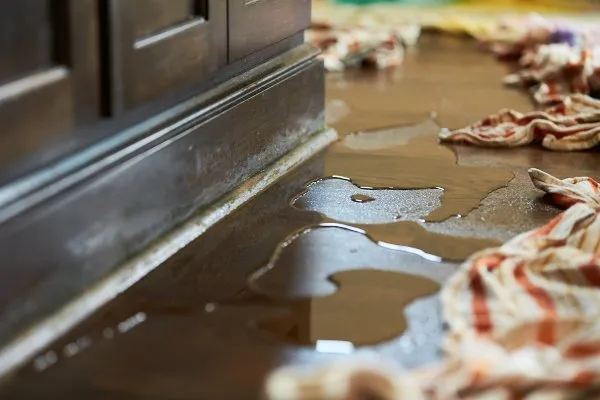
One of the biggest red flags is any past incident involving water. Even if you cleaned up a leak months or years ago, moisture could still be inside the structure. Mold often grows long after the surface looks dry.
Why Early Detection Makes a Huge Difference
Many homeowners try to ignore early signs, assuming it is not serious enough to worry about yet. Unfortunately, mold does not stay small for long. Once it begins to spread, it attaches itself to building materials, grows roots, and releases more spores into the air.
Early detection allows:
-
Faster cleanup
-
Lower costs
-
Less structural repair
-
Improved air quality
-
Easier removal
-
Prevention of long term issues
Waiting too long can lead to damage that requires removing drywall, flooring, or insulation. That is why Mold Removal and Remediation should begin as soon as signs appear.
How Professional Mold Removal and Remediation Works
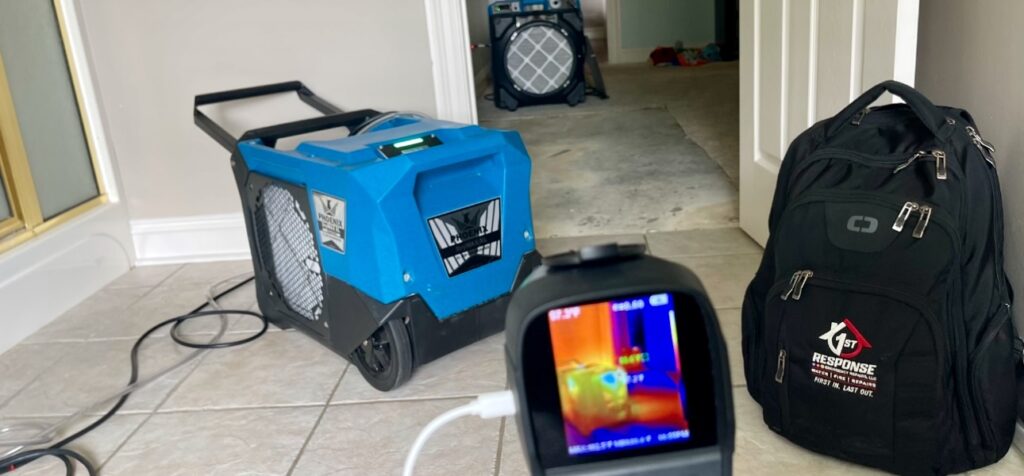
When a mold problem is discovered, the first step is a detailed inspection. Professionals follow IICRC S520 standards, which outline the proper procedures for safe removal. This inspection identifies all affected areas, including places the homeowner cannot see. Hidden mold is often more extensive than surface mold.
Next, the property is placed under containment. This prevents mold spores from spreading into clean areas during removal. Air filtration devices help pull particles out of the air and improve safety.
After containment is secure, technicians remove contaminated materials, clean all affected surfaces, and treat the area with solutions that stop mold from returning. The final and most important step is fixing the moisture source. Without correcting the cause, mold can return even after a thorough cleaning.
This complete process ensures the home is not only clean but protected moving forward.
How to Reduce Mold Risk in Your Oklahoma City Home
While mold can never be removed from the world around us, reducing the moisture that causes mold can significantly lower your risk. Here are steps homeowners can take:
-
Keep humidity levels balanced with proper ventilation
-
Repair leaks quickly
-
Clean and maintain gutters
-
Use exhaust fans in bathrooms and kitchens
-
Inspect attics and crawl spaces regularly
-
Clean up spills immediately
-
Schedule professional inspections after storms or flooding
Prevention goes a long way in avoiding costly mold problems in the future.
Final Thoughts
Mold is a serious issue that thrives quietly inside Oklahoma City homes. Because it often grows unseen, the early warning signs are incredibly important to recognize. Musty odors, slight discoloration, past water damage, warped materials, or unexplained indoor symptoms are all signals that mold may be developing.
The sooner Mold Removal and Remediation begins, the easier it is to protect your property and your health. With trained professionals following IICRC S520 standards, your home can return to a clean, safe, and healthy condition.