How Water Damage Starts in Oklahoma City Homes and Steps to Protect Your Property
Water damage is one of the most common and costly problems homeowners face in Oklahoma City. It arrives without warning, spreads quickly, and can weaken a home’s structure in ways that are not visible until the damage is severe. Whether it comes from storms, plumbing issues, or hidden leaks behind walls, water damage can be incredibly stressful and expensive if not handled early.
Oklahoma City has a mix of weather patterns that make homes especially vulnerable to water problems. Heavy rainfall, aging plumbing systems, unpredictable storms, and rapid temperature swings all contribute to unexpected water intrusion. Understanding where water damage comes from and how to prevent it can save homeowners thousands of dollars and protect their properties from long term issues.
This guide breaks down the most common causes of water damage in Oklahoma City, what signs to look out for, and the steps you can take to prevent major repairs.
Why Water Damage Happens So Often in Oklahoma City
Homeowners in Oklahoma City face a unique combination of environmental and structural challenges. The city experiences heavy storms, intense rainfall, and long periods of humidity. On top of that, older neighborhoods have aging plumbing systems that can fail without warning.
Many homes also struggle with poor drainage, clogged gutters, or cracks in foundations that allow water to seep inside. The combination of weather, aging systems, and pressure from frequent temperature changes creates the perfect conditions for water damage.
Because water can seep into walls, flooring, insulation, and hidden areas, Water Damage Restoration often becomes more complex the longer the moisture stays in the home. Early detection and prevention are the key to keeping repair costs low.
The Most Common Causes of Water Damage in Oklahoma City
1. Heavy Storms and Rainfall
Oklahoma City is known for seasonal storms that produce intense rain in a short amount of time. When rain falls faster than the ground can absorb it, water may push into basements, crawl spaces, and lower levels of homes.
Storm water can enter through:
-
Cracks in foundations
-
Gaps around windows and doors
-
Poor exterior drainage
-
Damaged roofing systems
-
Overflowing gutters
Even small openings can let in significant moisture during strong storms.
2. Burst Pipes and Plumbing Failures
Aging pipes, shifting temperatures, and high water pressure can all cause plumbing systems to fail. When a pipe bursts, water spreads fast. Walls, flooring, and insulation can soak up water quickly, leading to rot, mold growth, and structural weakening.
Common plumbing issues include:
-
Corroded pipes
-
Worn out water supply lines
-
Damaged water heaters
-
Leaks under sinks or behind appliances
Because many pipes are hidden inside walls, leaks often go unnoticed until water damage has already started.
3. Roof Leaks and Damaged Shingles
Strong winds and storms in Oklahoma City can damage roofing materials. Missing shingles, cracked flashing, or clogged gutters allow water to slip under the roof and drip into attics or walls.
A small roof leak can lead to:
-
Mold in the attic
-
Sagging ceilings
-
Wet insulation
-
Electrical hazards
Many homeowners only notice a roof leak once the ceiling shows visible damage, and by that time the water has already traveled far inside the structure.
4. Faulty or Overflowing Gutters
Gutters are designed to move rainwater away from the home. When they are clogged with leaves, dirt, or debris, they overflow and push water down the sides of the house or directly into the foundation.
This can lead to:
-
Basement flooding
-
Foundation cracks
-
Soil erosion
-
Moisture entering crawl spaces
Gutters are one of the simplest maintenance tasks, yet they are often the cause of some of the most expensive water damage repairs.
5. HVAC and Appliance Leaks
Your heating and cooling system produces condensation, and if the drain line clogs or the system malfunctions, water can drip down into walls or flooring. Appliances such as refrigerators, dishwashers, and washing machines also have water lines that can leak slowly for months.
Signs of appliance related water damage include:
-
Wet spots on flooring near appliances
-
Warped wood or laminate
-
Foul smells coming from behind equipment
-
Mold growing along baseboards
Small appliance leaks often turn into large problems when left unnoticed.
6. Poor Exterior Drainage
Water should always flow away from the foundation, not toward it. If the soil slopes inward or drainage systems are blocked, rainwater can pool around the home and seep inside.
Water entering the foundation can lead to:
-
Cracks in concrete
-
Standing water in crawl spaces
-
Humidity problems
-
Mold growth
Over time, repeated moisture exposure can weaken the structure and create long lasting issues.
Early Signs of Water Damage You Should Never Ignore
Many homeowners do not notice water damage until it becomes severe. However, early signs are usually present if you know what to look for.
Watch for:
-
Stains on ceilings or walls
-
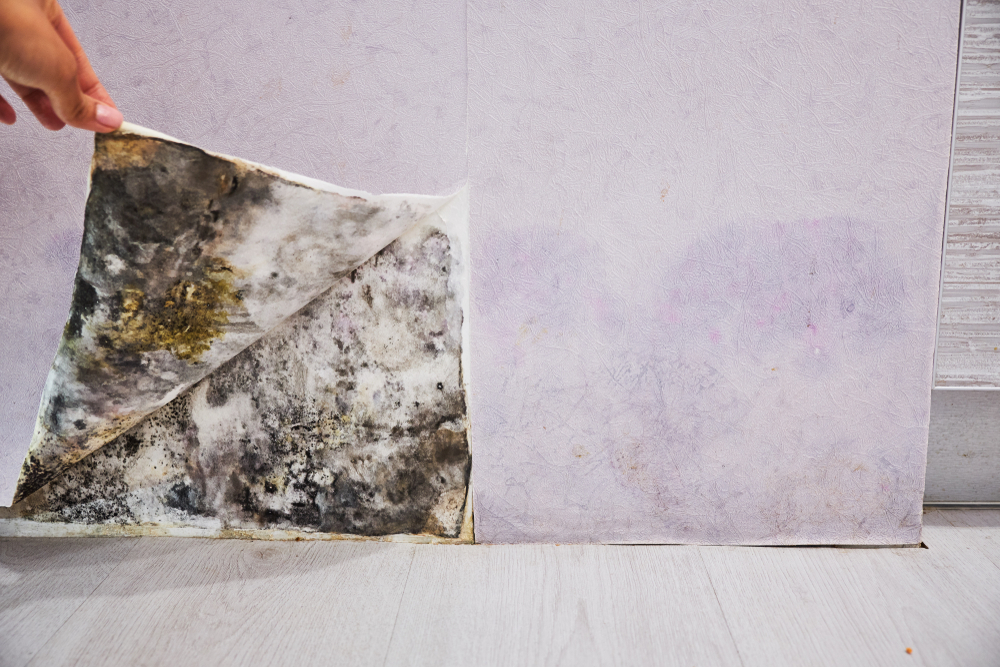
Peeling paint or bubbling drywall
-
Warped or soft flooring
-
Musty odors
-
Visible mold growth
-
Sudden spikes in water bills
-
Condensation on windows
-
Sounds of dripping water
-
Wet spots that return after cleaning
Even small signs may indicate a much bigger problem inside the walls or flooring.
How to Prevent Costly Water Damage Repairs
Prevention takes far less time and money than repairing major damage. Here are some steps homeowners in Oklahoma City can take to reduce their risk:
1. Inspect the Roof Regularly
Check for missing shingles, damaged flashing, or sagging areas. Strong winds in Oklahoma City can loosen materials quickly, so frequent inspections matter.
2. Keep Gutters Clean and Flowing
Clearing gutters several times a year prevents overflowing water from soaking into the foundation.
3. Test and Maintain Plumbing
Look under sinks, behind toilets, and around appliances for moisture or corrosion. A small leak today becomes major damage tomorrow.
4. Improve Ventilation in Moisture Prone Areas
Bathrooms, kitchens, and laundry rooms should have good airflow. Poor ventilation leads to high humidity and contributes to mold growth.
5. Fix Exterior Drainage Problems
Make sure soil slopes away from the home. Consider adding French drains or extending downspouts if needed.
6. Schedule Inspections After Major Storms
Rain and wind can cause damage that is not visible right away. An inspection can identify problems before water intrusion occurs.
How Water Damage Restoration Protects Your Home
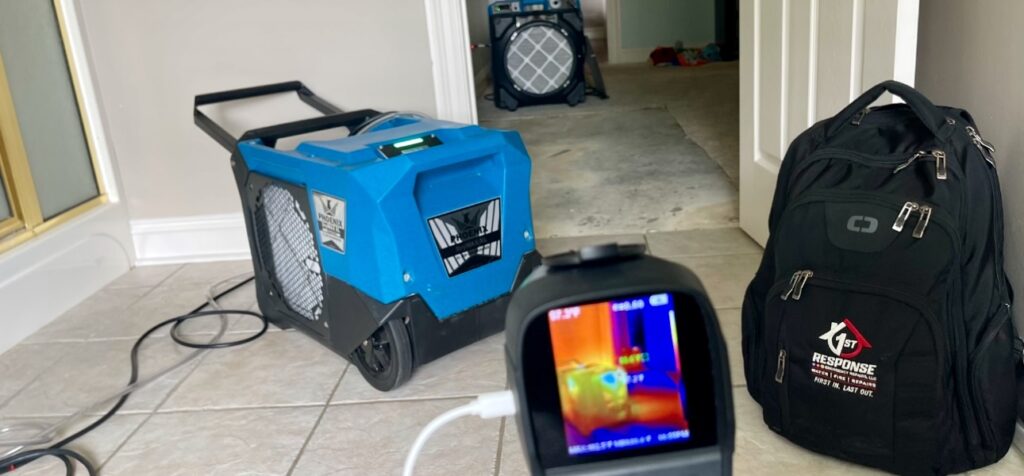
When water damage happens, fast action matters. Professional Water Damage Restoration includes:
-
Removing standing water
-
Drying affected areas
-
Treating moisture trapped behind surfaces
-
Preventing mold growth
-
Repairing damaged materials
-
Restoring the property to a safe condition
Water moves fast inside a home. The longer it sits, the more damage it causes. Restoration teams use advanced drying equipment and industry standards to stop the damage early and protect your home from long term issues.
Final Thoughts
Water damage can be stressful and costly, but knowing the most common causes and taking simple prevention steps can protect your home and your wallet. Oklahoma City weather and aging home systems make water damage a real threat, but early detection and fast action can prevent major repairs.
If water damage does occur, professional Water Damage Restoration ensures the structure is dried, cleaned, and protected from mold and long term problems. With the right care, your home can stay safe, healthy, and strong for years to come.